The Essentials of Music.
Reimagined as a Native Part of iOS.
On your Home Screen, Lock Screen,
Dynamic Island, and in Control Center.

Utility at the system-level.
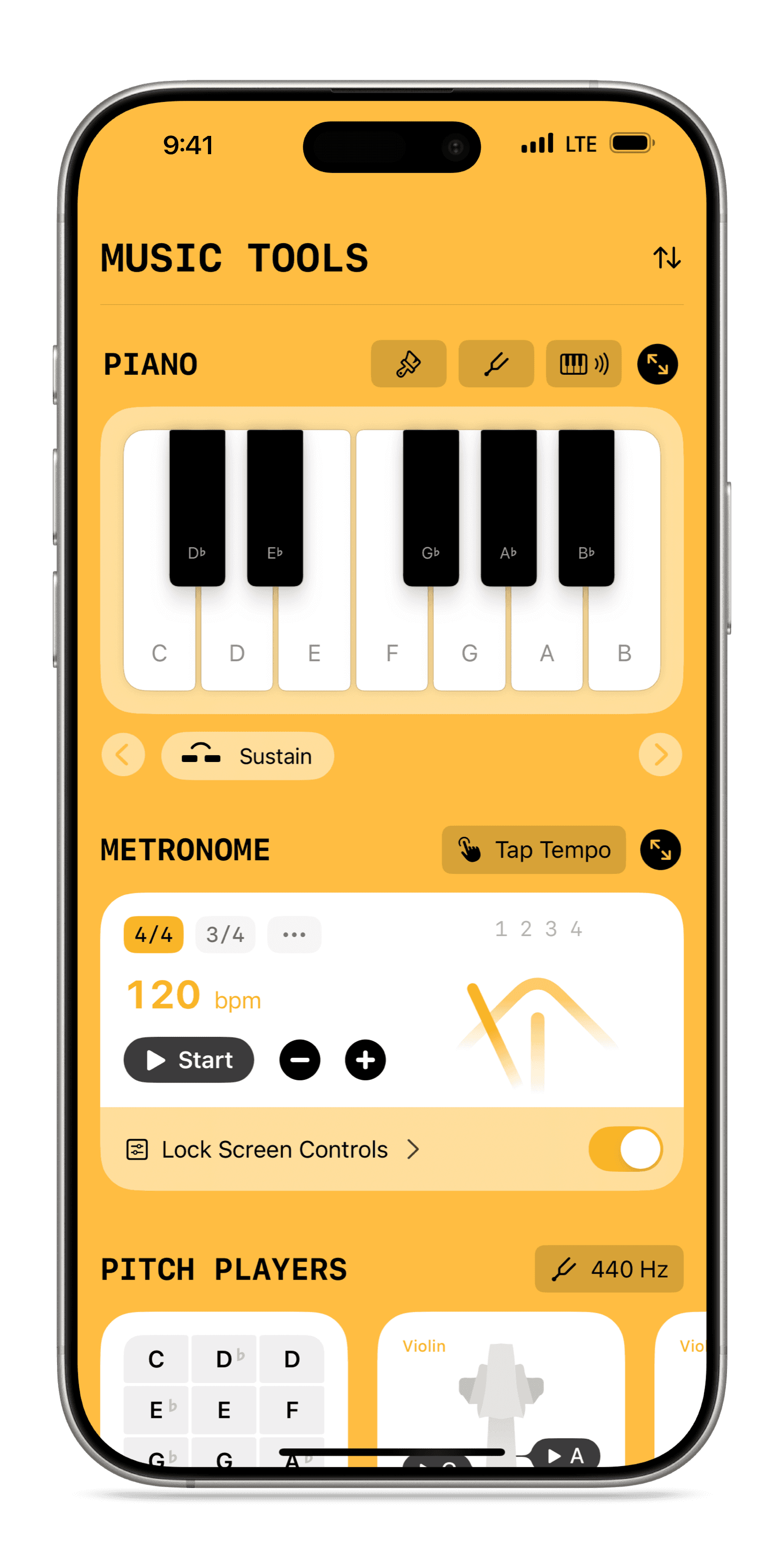
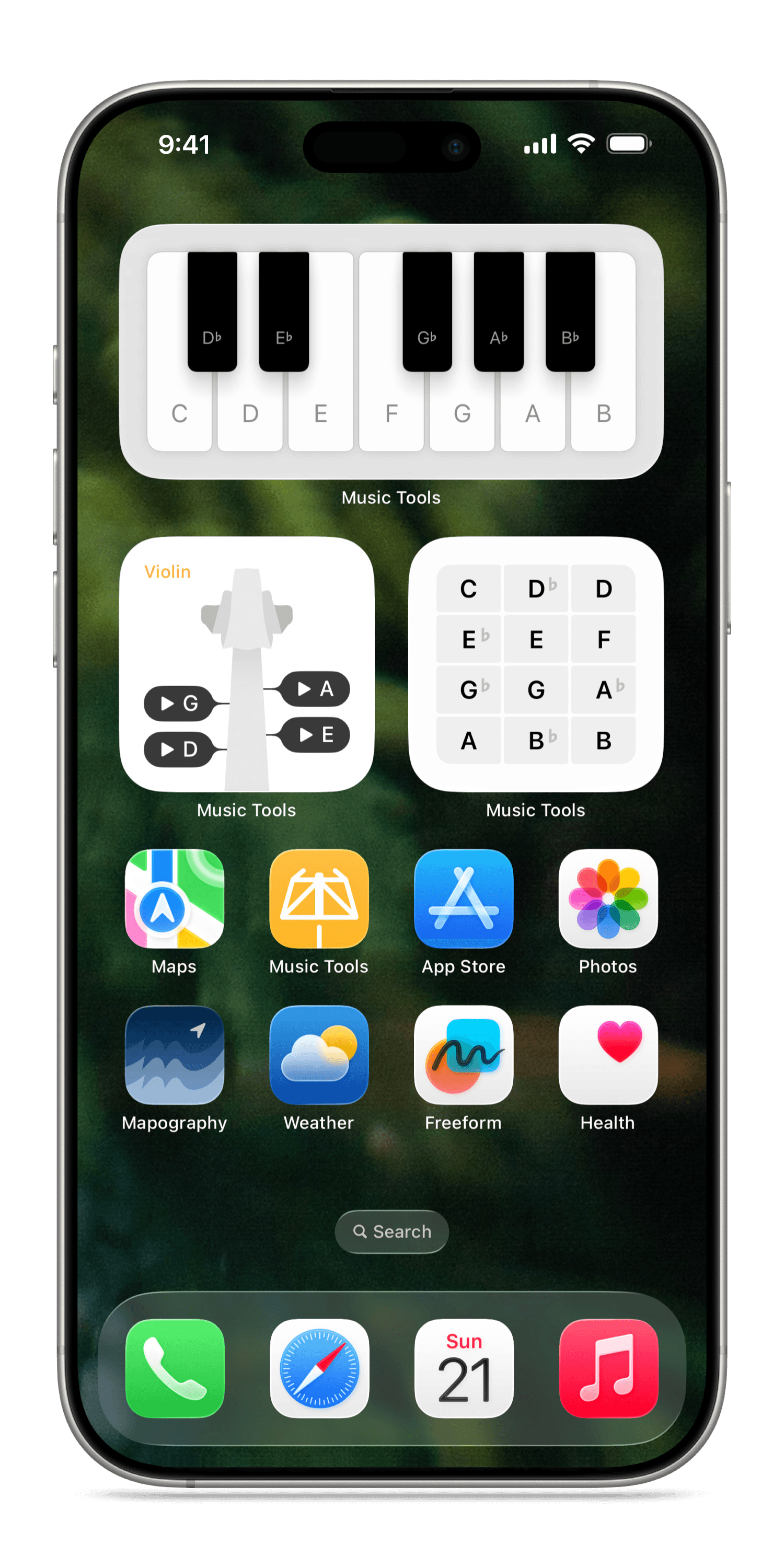
Music Tools is the first iOS app to take essential musician utilities and free them from the container of the main app. A Live Activity metronome that stays in the Dynamic Island as you look for sheet music online. A Control Center toggle to instantly take you to the full screen piano. A pitch player that lives on your Home Screen.
Together, the utilities are part of Music Tools form an ecosystem of access points. Seamlessly integrated and designed with one coherent visual and functional language. Behind every interaction is a simple principle:
The closer a tool is to your fingertips, the more seamless your musical workflow becomes.
The Tools, Up Close.
Tool Focus
Keyboard
" width="396.0940114746094px"><path d="M 234.22 31.446 L 106.25 31.446 C 82.032 31.446 62.891 38.477 50.782 50.586 C 38.086 63.086 31.446 81.836 31.446 106.446 L 31.446 253.516 C 31.446 278.125 38.086 296.875 50.782 309.375 C 63.086 321.68 82.032 328.516 106.25 328.516 L 253.711 328.516 C 278.125 328.516 297.071 321.485 309.375 309.375 C 322.071 296.875 328.711 278.125 328.711 253.516 L 328.711 126.553 C 339.724 126.539 350.331 124.575 360.157 120.893 L 360.157 253.516 C 360.157 287.696 350.586 314.453 332.422 332.422 C 314.844 350 288.086 359.961 253.711 359.961 L 106.25 359.961 C 72.071 359.961 45.313 350.196 27.539 332.422 C 9.375 314.453 0 287.696 0 253.516 L 0 106.446 C 0 72.266 9.571 45.508 27.539 27.539 C 45.117 9.961 72.071 0 106.25 0 L 240.015 0 C 236.291 9.804 234.275 20.408 234.22 31.446 Z" fill="rgb(0, 0, 0)" height="359.961px" id="BvtB0Rx57" transform="translate(0 35.351)" width="360.157px"/><path d="M 67.773 135.547 C 104.687 135.547 135.351 104.883 135.351 67.773 C 135.351 30.664 104.687 0 67.773 0 C 30.468 0 0 30.664 0 67.773 C 0 104.883 30.468 135.547 67.773 135.547 Z" fill="rgb(0, 0, 0)" height="135.54700000000003px" id="Lw_nbRDOE" transform="translate(260.743 0)" width="135.351px"/></g></svg>)
" width="460.547px"><path d="M 61.328 359.57 L 399.219 359.57 C 440.234 359.57 460.547 339.453 460.547 299.219 L 460.547 60.547 C 460.547 20.312 440.234 0 399.219 0 L 61.328 0 C 20.508 0 0 20.312 0 60.547 L 0 299.219 C 0 339.453 20.508 359.57 61.328 359.57 Z M 61.719 328.125 C 42.188 328.125 31.445 317.773 31.445 297.461 L 31.445 62.305 C 31.445 41.992 42.188 31.445 61.719 31.445 L 398.828 31.445 C 418.164 31.445 429.102 41.992 429.102 62.305 L 429.102 297.461 C 429.102 317.773 418.164 328.125 398.828 328.125 Z" fill="rgb(0, 0, 0)" height="359.57px" id="Si2cvFv72" width="460.547px"/><path d="M 234.765 107.422 C 242.968 107.422 248.633 100.976 248.633 92.383 L 248.633 15.43 C 248.633 4.687 242.383 0 233.007 0 L 155.468 0 C 147.07 0 141.015 5.664 141.015 13.867 C 141.015 22.07 147.07 27.539 155.859 27.539 L 181.25 27.539 L 225.976 22.851 L 221.093 69.141 L 221.093 92.773 C 221.093 101.367 226.562 107.422 234.765 107.422 Z M 148.242 113.867 C 152.734 113.867 156.054 112.305 158.984 109.57 L 199.218 69.141 L 225.976 40.82 C 240.039 25.781 222.656 9.18 208.203 22.656 L 179.297 49.219 L 138.867 89.844 C 136.328 92.383 134.375 96.094 134.375 99.805 C 134.375 108.203 140.234 113.867 148.242 113.867 Z M 13.672 131.25 C 5.468 131.25 0 137.5 0 146.094 L 0 223.242 C 0 233.984 6.054 238.476 15.429 238.476 L 93.164 238.476 C 101.562 238.476 107.422 233.008 107.422 224.805 C 107.422 216.601 101.562 210.937 92.773 210.937 L 67.187 210.937 L 22.461 215.82 L 27.539 169.531 L 27.539 145.703 C 27.539 137.109 21.875 131.25 13.672 131.25 Z M 100.195 124.805 C 95.703 124.805 92.383 126.367 89.648 129.101 L 49.218 169.336 L 22.656 197.851 C 8.398 212.891 25.781 229.297 40.429 216.015 L 69.14 189.453 L 109.57 148.828 C 112.109 146.289 114.062 142.578 114.062 138.867 C 114.062 130.273 108.398 124.805 100.195 124.805 Z" fill="rgb(0, 0, 0)" height="238.47600000000006px" id="Q9a3TWLxU" transform="translate(106.055 60.547)" width="248.6329993896484px"/></g></svg>)
" width="370.117px"><path d="M 347.266 23.047 C 327.344 3.125 299.219 0 265.82 0 L 103.711 0 C 70.898 0 42.773 3.125 22.852 23.047 C 2.93 42.969 0 70.703 0 103.516 L 0 265.82 C 0 299.219 2.93 326.953 22.852 346.875 C 42.773 366.797 70.898 369.922 104.102 369.922 L 265.82 369.922 C 299.219 369.922 327.344 366.797 347.266 346.875 C 367.188 326.953 370.117 299.219 370.117 265.82 L 370.117 104.102 C 370.117 70.703 367.188 42.773 347.266 23.047 Z M 338.672 98.633 L 338.672 271.094 C 338.672 291.211 336.133 312.109 324.219 324.023 C 312.5 335.742 291.406 338.477 271.289 338.477 L 98.828 338.477 C 78.711 338.477 57.617 335.742 45.703 324.023 C 33.984 312.109 31.445 291.211 31.445 271.094 L 31.445 99.219 C 31.445 78.711 33.984 57.617 45.703 45.898 C 57.617 33.984 78.906 31.445 99.414 31.445 L 271.289 31.445 C 291.406 31.445 312.5 34.18 324.219 45.898 C 336.133 57.812 338.672 78.516 338.672 98.633 Z" fill="rgb(0, 0, 0)" height="369.922px" id="fKpQqartT" width="370.117px"/><path d="M 12.304 234.375 L 224.414 234.375 C 231.25 234.375 236.718 229.102 236.718 222.266 C 236.718 215.625 231.25 210.156 224.414 210.156 L 12.304 210.156 C 5.664 210.156 0.195 215.625 0.195 222.266 C 0.195 229.102 5.664 234.375 12.304 234.375 Z M 28.71 87.11 L 71.093 87.11 C 87.89 87.11 99.609 75.586 99.609 58.594 L 99.609 28.711 C 99.609 11.719 87.89 0 71.093 0 L 28.71 0 C 11.718 0 0 11.719 0 28.711 L 0 58.594 C 0 75.586 11.718 87.11 28.71 87.11 Z" fill="rgb(0, 0, 0)" height="234.375005859375px" id="Bc6Z7mmxi" transform="translate(66.602 63.867)" width="236.71799999284744px"/></g></svg>)
" width="372.461px"><path d="M 83.594 160.547 L 288.867 160.547 C 335.156 160.547 372.461 128.125 372.461 80.274 C 372.461 32.422 335.156 0 288.867 0 L 83.594 0 C 37.305 0 0 32.422 0 80.274 C 0 128.125 37.305 160.547 83.594 160.547 Z M 232.227 130.664 C 203.32 130.664 180.078 110.352 180.078 80.078 C 180.078 50 203.32 29.688 232.227 29.688 L 291.992 29.688 C 321.094 29.688 344.141 50 344.141 80.274 C 344.141 110.352 321.094 130.664 291.992 130.664 Z" fill="rgb(0, 0, 0)" height="160.547px" id="scF3KQcFy" transform="translate(0 208.203)" width="372.461px"/><path d="M 92.188 178.125 L 280.273 178.125 C 331.25 178.125 372.461 142.188 372.461 89.062 C 372.461 35.938 331.25 0 280.273 0 L 92.188 0 C 41.211 0 0 35.938 0 89.062 C 0 142.188 41.211 178.125 92.188 178.125 Z M 92.188 148.633 C 58.203 148.633 30.664 124.609 30.664 89.062 C 30.664 53.516 58.203 29.492 92.188 29.492 L 280.273 29.492 C 314.258 29.492 341.797 53.516 341.797 89.062 C 341.797 124.609 314.258 148.633 280.273 148.633 Z" fill="rgb(0, 0, 0)" height="178.125px" id="FeOXvcNq8" width="372.461px"/><path d="M 47.852 92.774 L 104.687 92.774 C 131.25 92.774 152.539 74.024 152.539 46.484 C 152.539 18.75 131.25 0 104.687 0 L 47.852 0 C 21.289 0 0 18.75 0 46.289 C 0 74.024 21.289 92.774 47.852 92.774 Z" fill="rgb(0, 0, 0)" height="92.774px" id="eUhReRFgm" transform="translate(44.336 42.578)" width="152.539px"/></g></svg>)
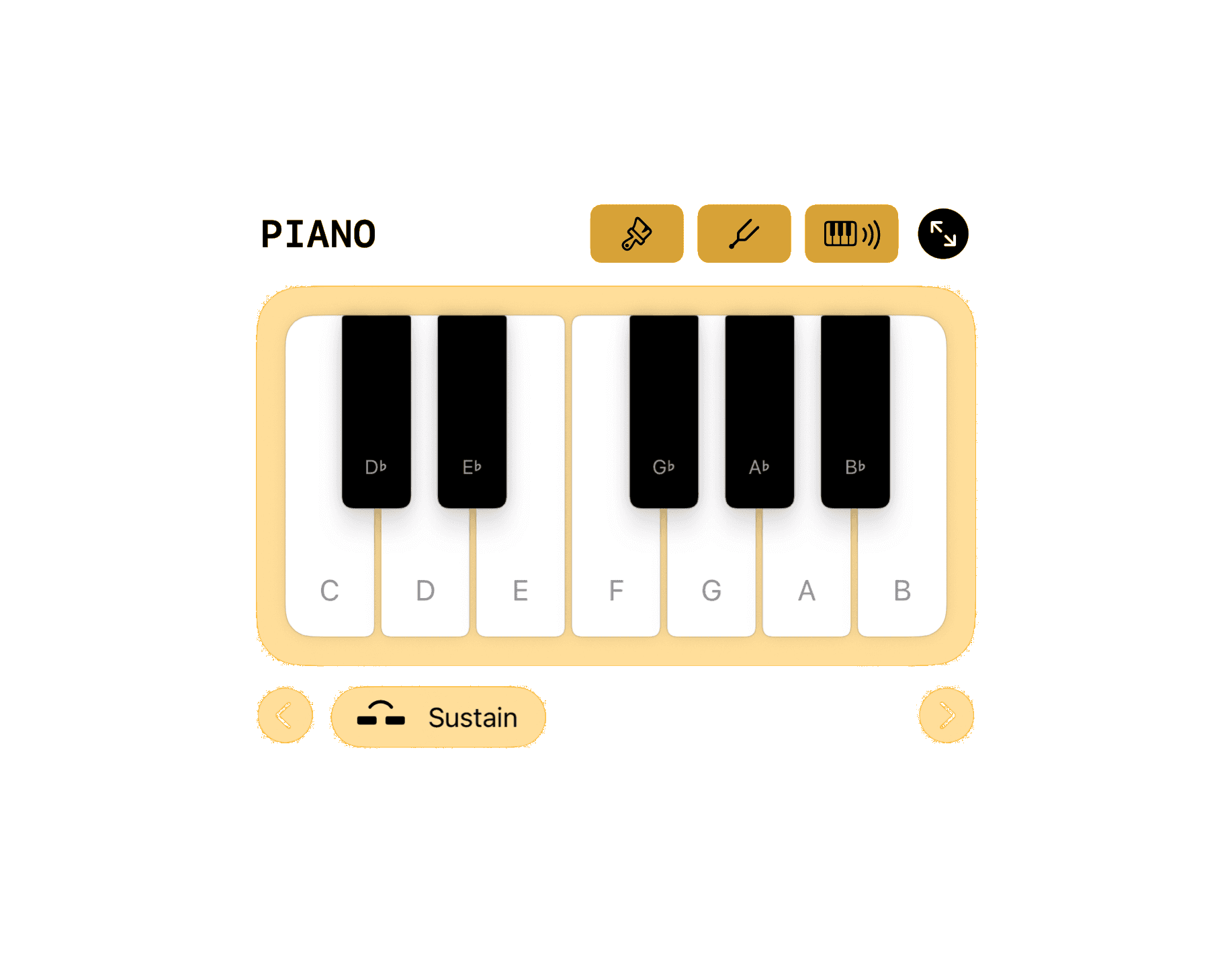
The "Keyboard" or "Piano" Tool is the first tool that musicians see when opening the app. It's available as a full screen variant, as a Home Screen widget, and even as a Control Center toggle that takes you straight to the full screen piano from wherever you currently are.
The tool also introduces musicians to a fundamental design principle of Music Tools: The way tools look inside the app mirrors the way they look in other places, like on the Home Screen.
Tool Focus
Metronome
" width="419.14099414062497px"><path d="M 271.504 13.748 C 265.58 22.99 261.316 33.369 259.018 44.455 C 240.526 37.131 220.338 33.203 199.219 33.203 C 107.422 33.203 33.203 107.422 33.203 199.219 C 33.203 291.016 107.422 365.234 199.219 365.234 C 291.016 365.234 365.234 291.016 365.234 199.219 C 365.234 184.806 363.405 170.826 359.773 157.576 C 371.108 156.6 381.895 153.525 391.709 148.68 C 396.179 164.757 398.437 181.726 398.437 199.219 C 398.437 309.18 309.18 398.438 199.219 398.438 C 89.258 398.438 0 309.18 0 199.219 C 0 89.258 89.258 0 199.219 0 C 224.744 0 249.153 4.81 271.504 13.748 Z" fill="rgb(0, 0, 0)" height="398.43799999999993px" id="zZgMl0RJe" transform="translate(0 3.906)" width="398.437px"/><path d="M 129.297 13.476 L 129.297 145.117 C 129.297 152.929 123.243 158.789 115.625 158.789 L 13.672 158.789 C 5.86 158.789 0 152.929 0 145.117 C 0 137.5 5.86 131.64 13.672 131.64 L 102.149 131.64 L 102.149 13.476 C 102.149 5.859 108.008 0 115.625 0 C 123.243 0 129.297 5.859 129.297 13.476 Z" fill="rgb(0, 0, 0)" height="158.789px" id="L0ipMJZ1q" transform="translate(83.398 65.43)" width="129.297px"/><path d="M 67.773 135.351 C 104.687 135.351 135.547 104.883 135.547 67.773 C 135.547 30.469 104.687 0 67.773 0 C 30.664 0 0 30.469 0 67.773 C 0 104.883 30.664 135.351 67.773 135.351 Z" fill="rgb(0, 0, 0)" height="135.351px" id="TMN1BjO2R" transform="translate(283.594 0)" width="135.54699999999997px"/></g></svg>)
Use It Like Your Music Player
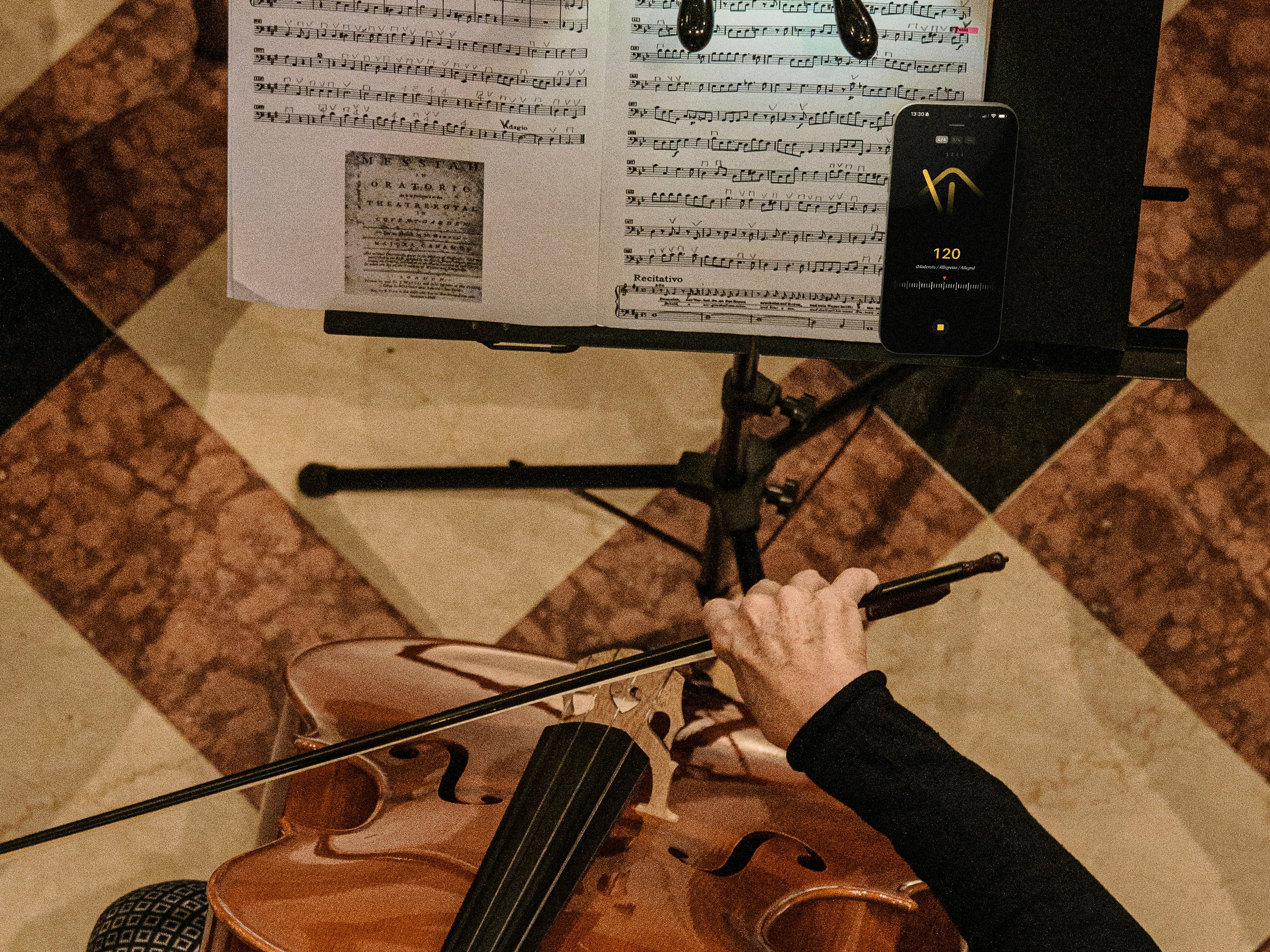
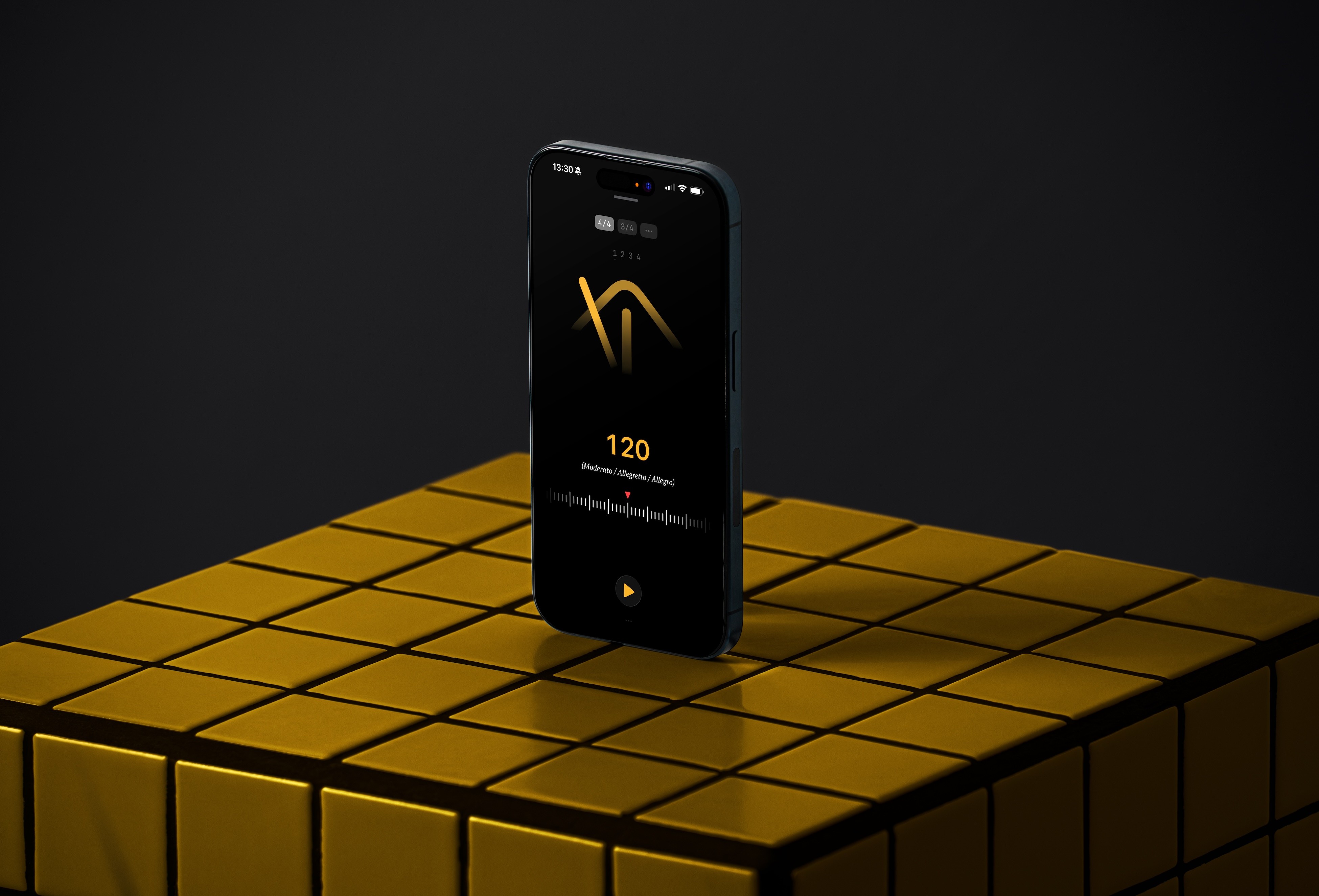
The Metronome Live Activity enables musicians to control the metronome from anywhere. You can change the current BPM from the iPhone's Dynamic Island or set a different time signature from your Lock Screen. You can even control the metronome from your Apple Watch. Music Tools makes using the metronome as easy as listening to music on your phone.
Start It From Anywhere
With Control Center integration, you can start and stop the metronome from anywhere. You can even switch out one of your Lock Screen buttons (which default to the flashlight and the camera) for a button that starts the metronome!
Tool Focus
Pitch Players
The Pitch Players mirror their respective real-life counterparts, without leaning too far into a photo-illustrative style that would feel out of place on a Home Screen widget. In app, the Pitch Players are arranged in a horizontal scroll view and grouped into different instrument categories.
A Smarter Approach to Tuning
Music Tools' tuner is the result of an intensive feedback process with musicians. Its design directly addresses the two most common frustrations musicians have with today’s tuners:
Instrument-Specific Tuning
Current tuners have a tendency to jump around wildly because they're instrument-agnostic. They determine the target note by finding the nearest pitch on the chromatic scale. When you’re tuning the A-string of a violin or guitar, they may suddenly lock onto G♯ instead.
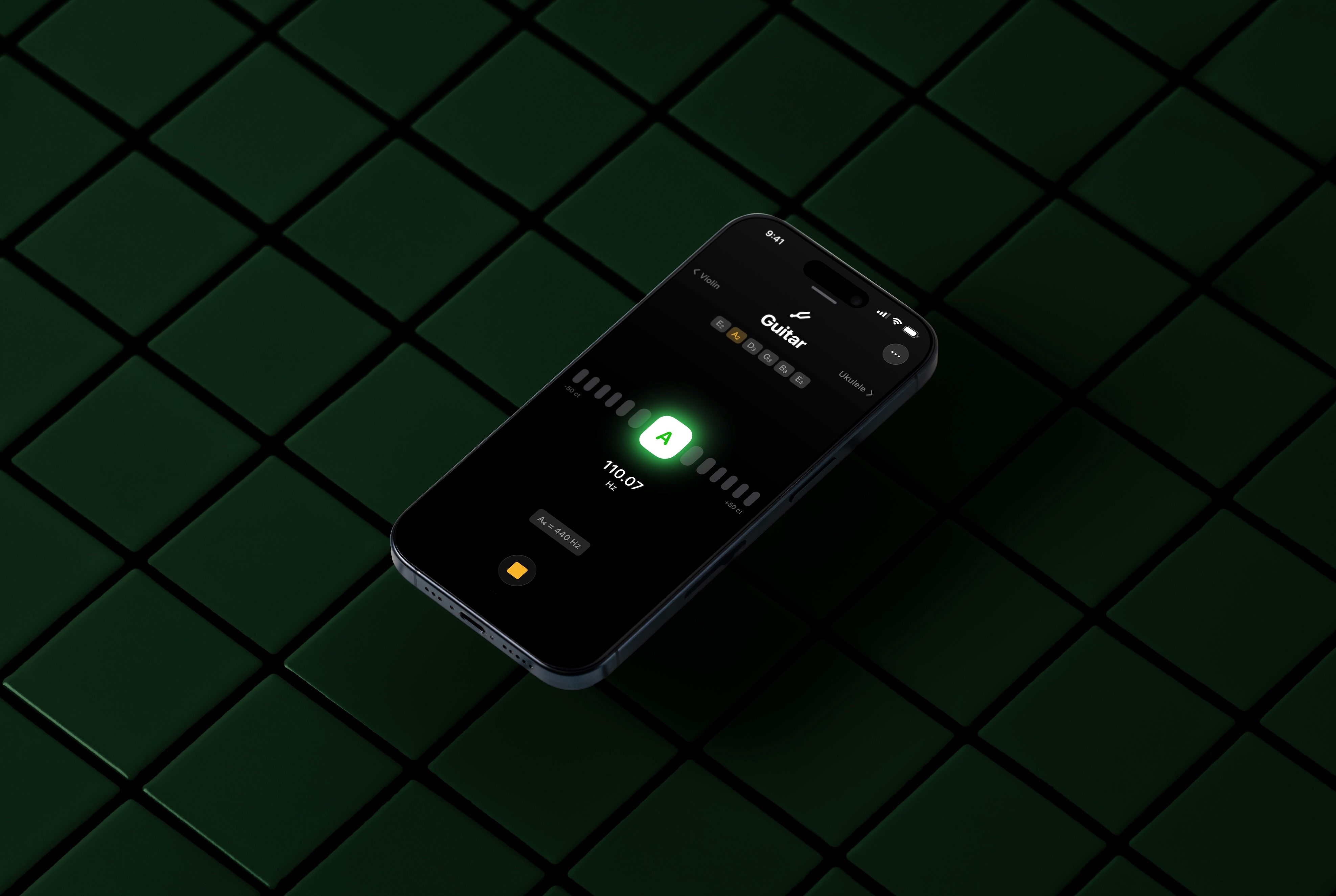
Music Tools' tuner is instrument-aware. It remains anchored to the correct string. The tuner display stays stable and predictable, even when the note is still far from its target.
How Volume Affects Accuracy
A tuner can only measure pitch accurately when the microphone receives a strong enough signal. If the note is too quiet, the reading becomes less reliable because there isn’t enough acoustic information to work with. Most tuners don’t show this. They either jump around unpredictably or simply turn off below a certain volume threshold.
Music Tools solves this with a simple visual cue: The tuner's capsules get brighter when the microphone receives a strong signal and dimmer when the note becomes too soft. This lets musicians immediately understand when the reading is trustworthy and when they should play a little louder.
One Tap to Tune
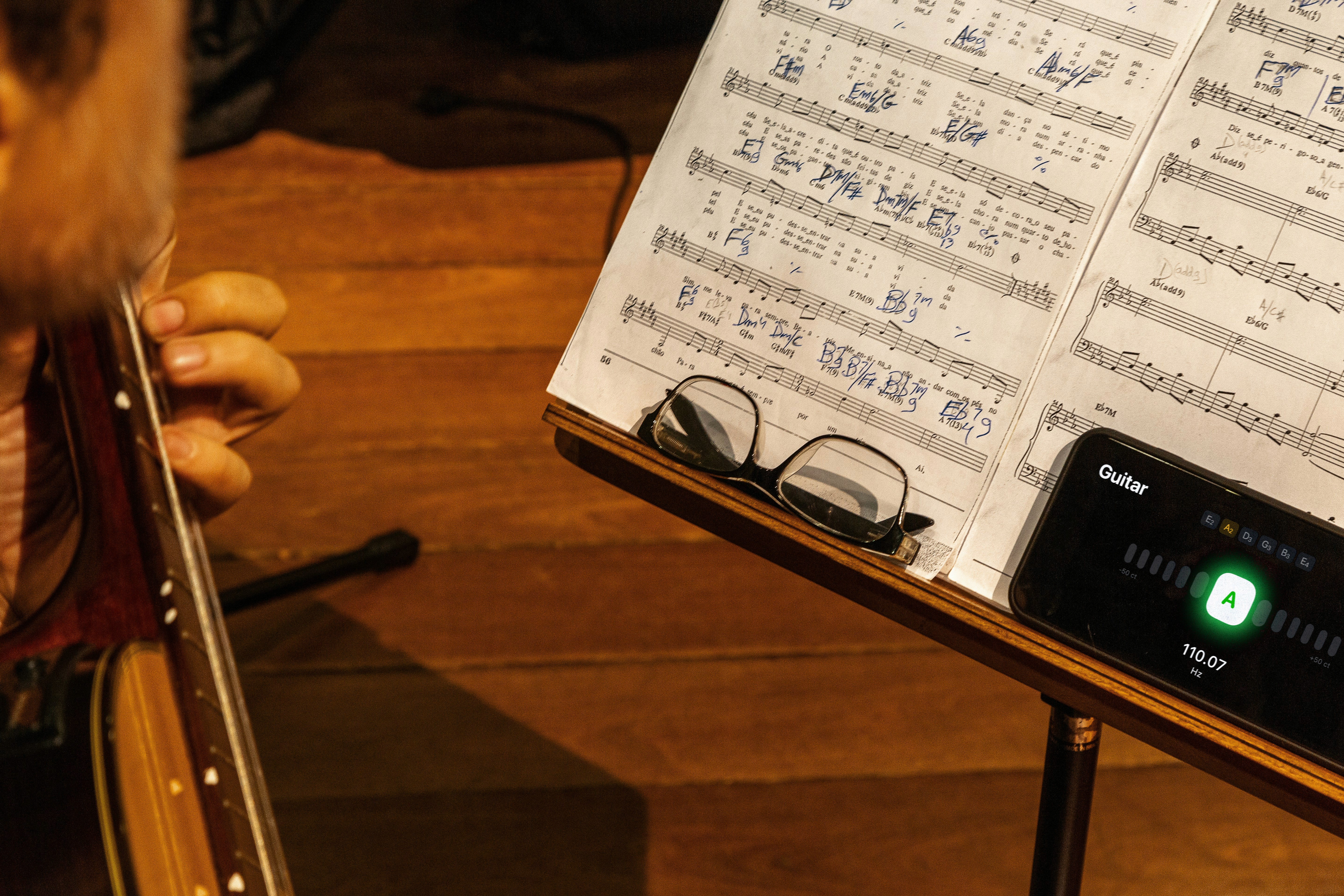
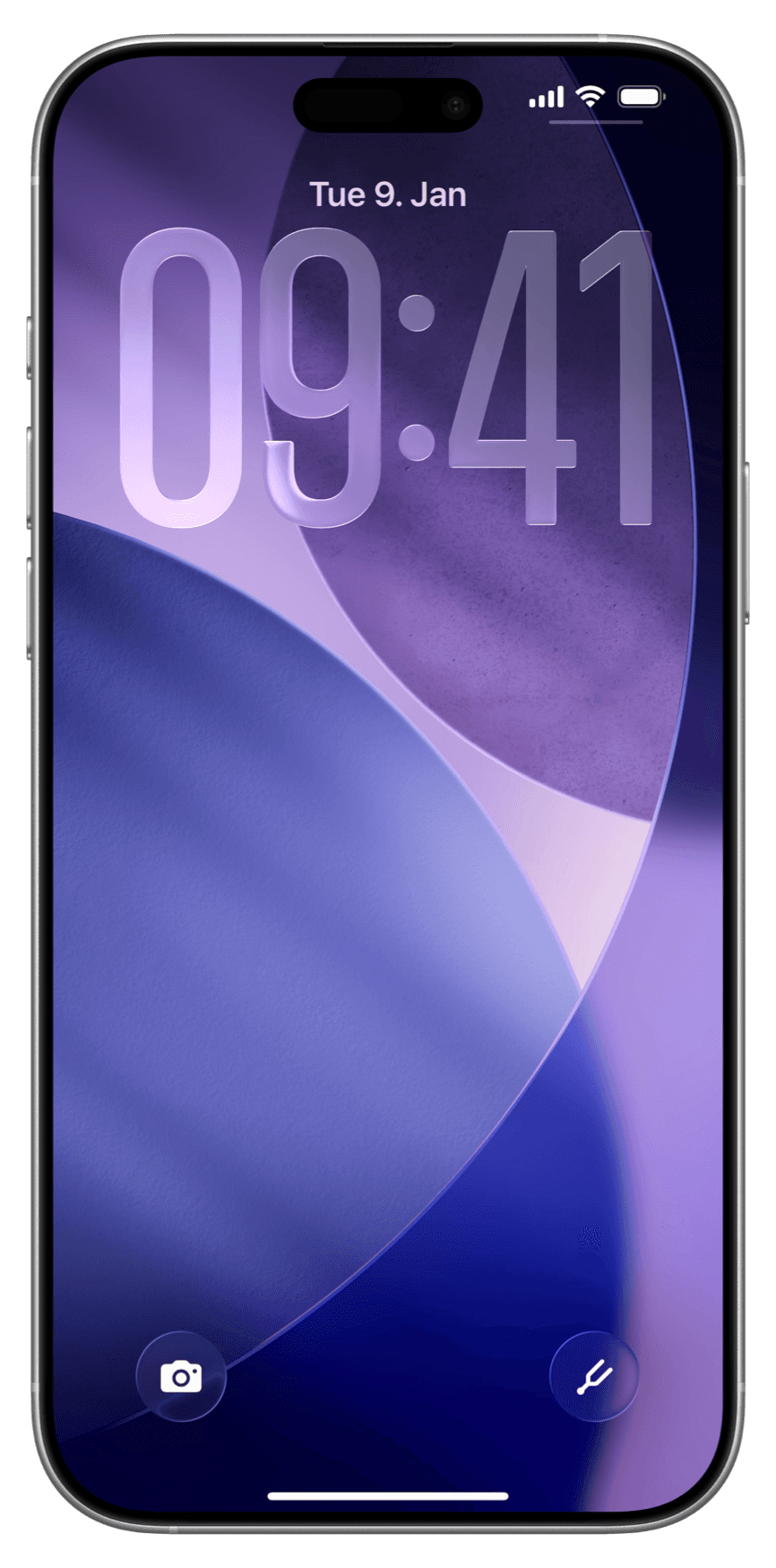
Before a performance, every second counts. With its Control Center integration, Music Tools lets you open the tuner directly from the Lock Screen, so tuning becomes as simple and immediate as checking the time.
Together, these design choices make the tuner easier to read and more predictable in real use. As you play a note, the capsules brighten and resonate with the note you just played, before they settle in a way that resembles the way real strings vibrate and come to rest. The tuner doesn’t just show pitch; it behaves like a musical object, giving performers a clearer, more intuitive sense of what’s happening as they tune.
Legacy Tools
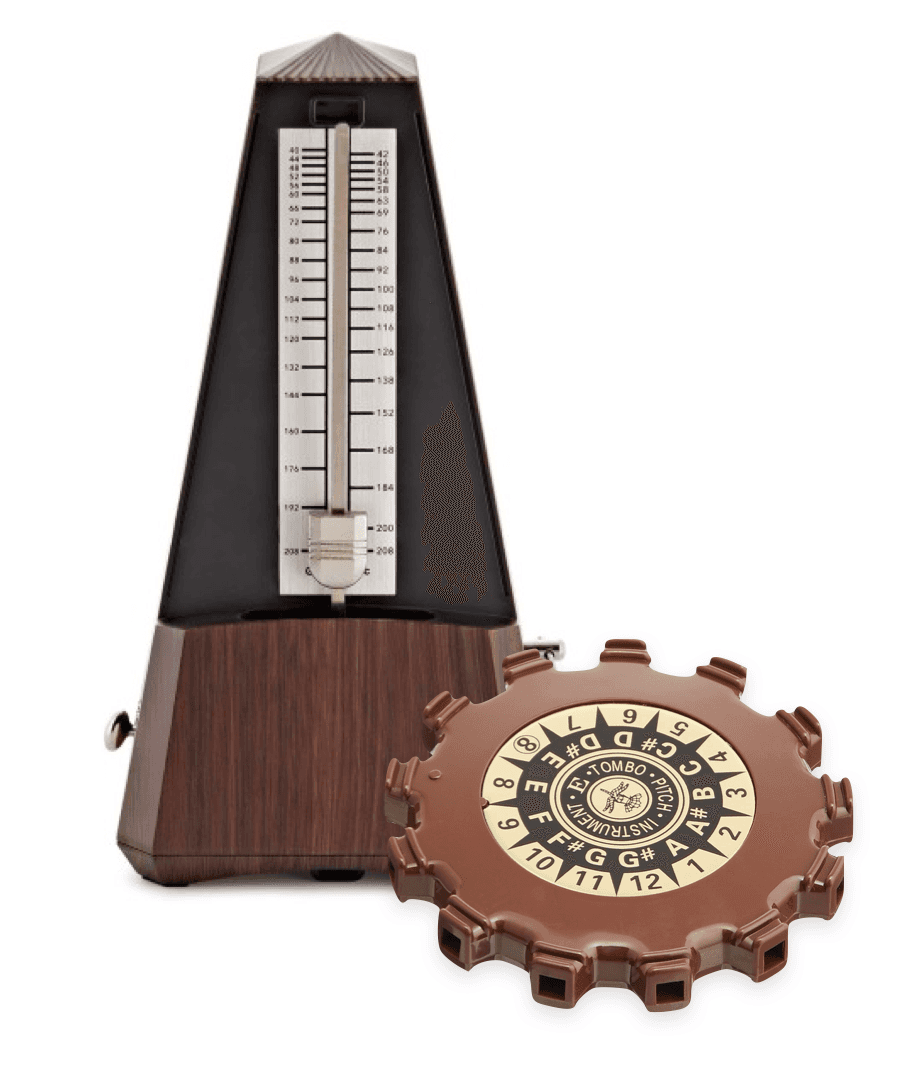
For generations, musicians have relied on mechanical devices to keep time, find pitch, and tune their instruments. Metronomes, tuning forks, and pitch pipes were tactile and precise, but also fragile, bulky, and increasingly impractical. Today, most have fallen out of everyday use or declined in quality; modern plastic pitch pipes, for instance, often vary so widely in pitch that few ensembles still trust them.
Other Apps
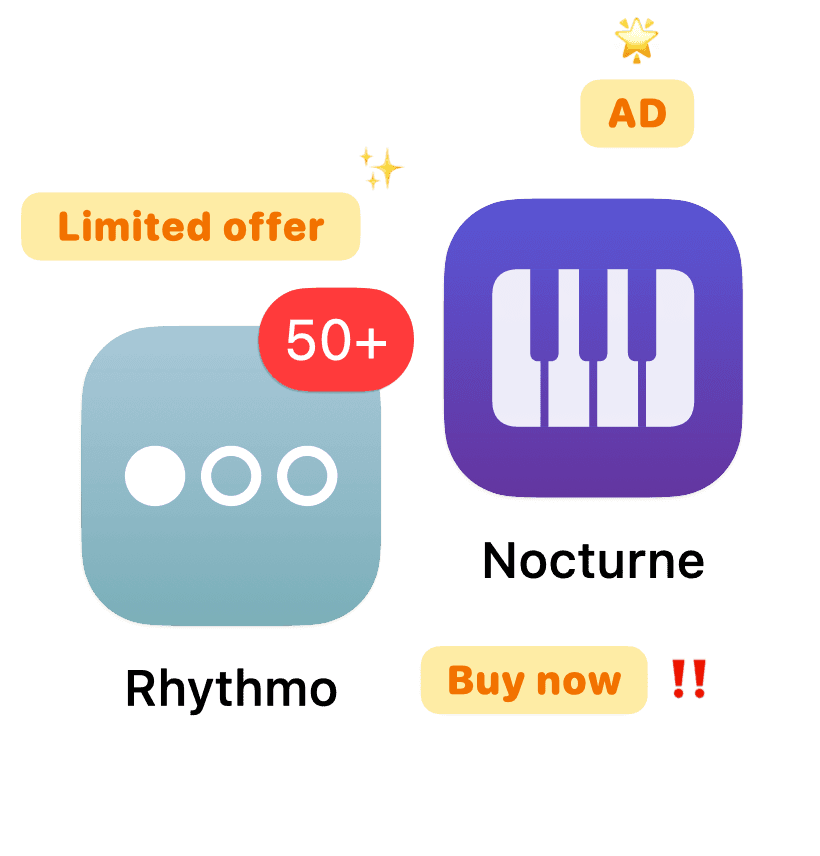
App stores are full of apps marketed to musicians. Typically, these apps only perform a single function well, and are otherwise full of advertisements and bright branding. Because these apps monetize the time that musicians spend looking at their screen, they have little incentive to make their tools easy to reach; and every incentive not to.
Music Tools
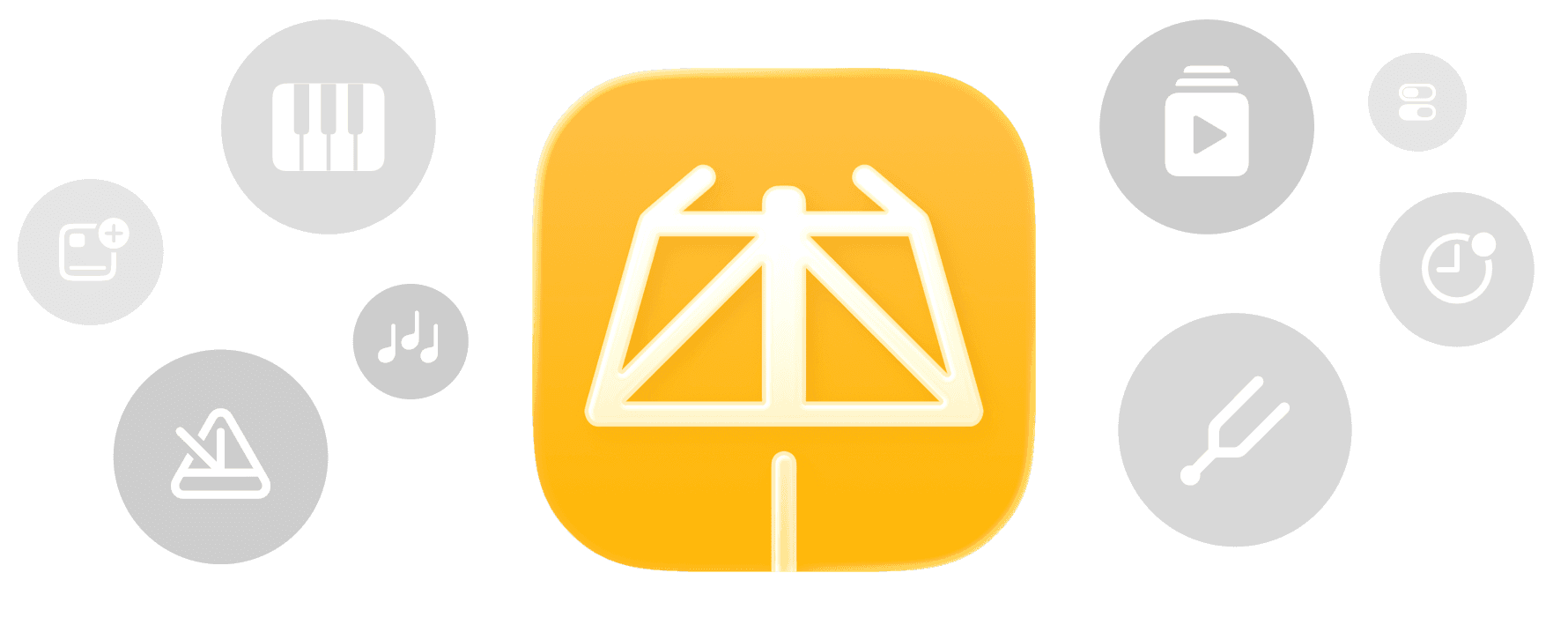
Music Tools presents a new chapter; the modern-day equivalent of a musical Swiss Army Knife. It's a true utility that breaks with the paradigm of locking features away behind an app icon. Instead, these features are available to users alongside other utilities like the phone's flashlight or calculator. Even the app’s name is intentionally understated. It's easy to remember, easy to find, and focused entirely on what matters: the tools themselves.
Tools evolve. Music endures.

Nov 18, 2025

When Design Strikes the Right Note: How a Young Violinist Helped Shape an App for Musicians
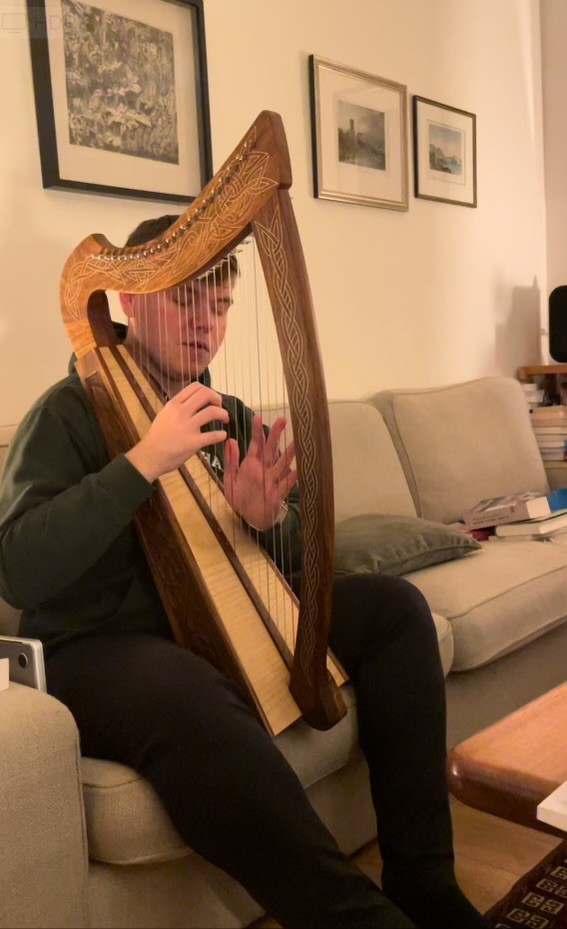
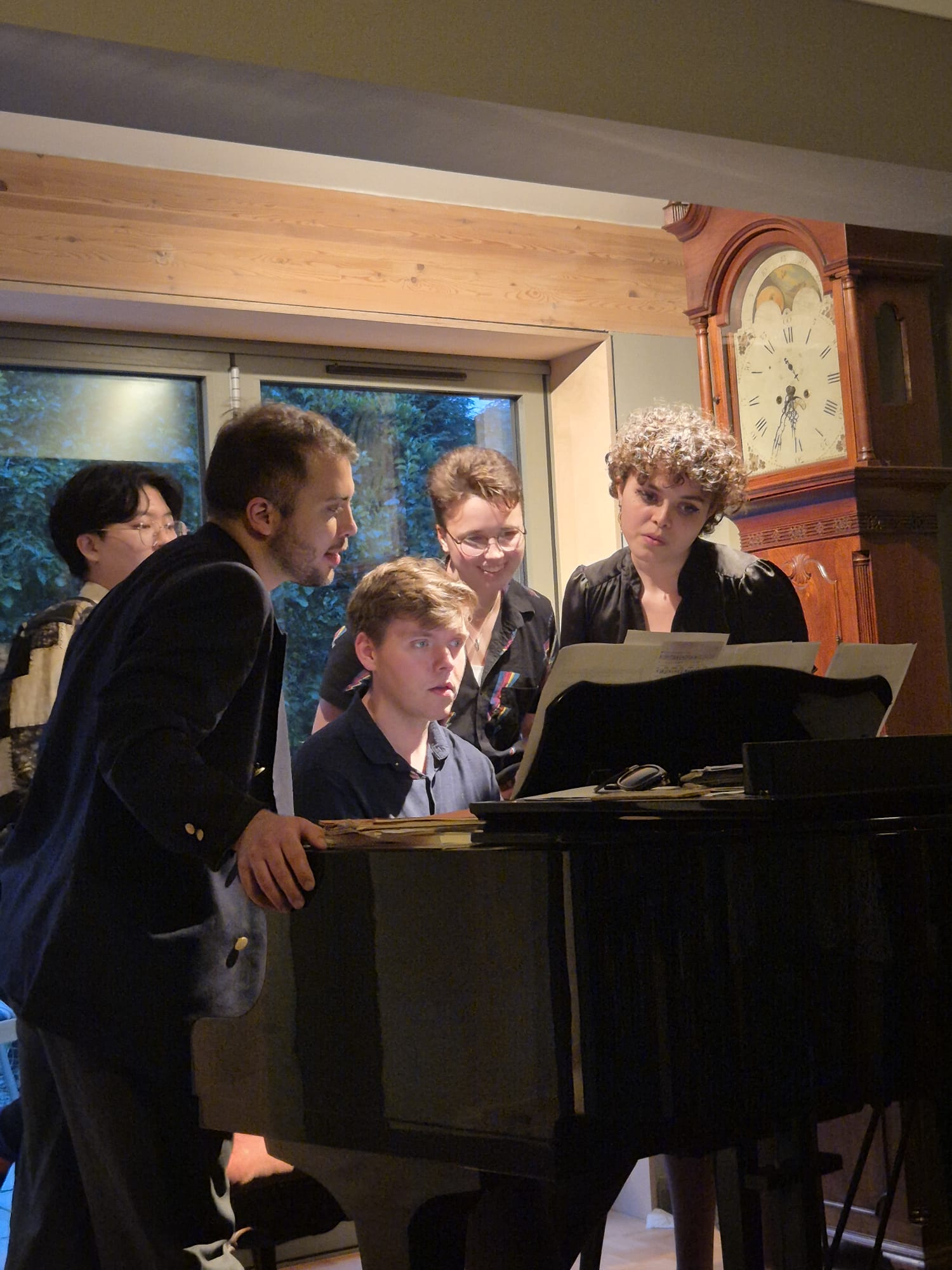

A Musician's Take on a Music App.
I'm Kilian, the creator of Music Tools! I designed and coded this app for fellow musicians like myself. Music Tools is for everyone. No matter if you're just getting started learning an instrument, if you want to figure out what key your favorite song is in, or if you're a professional musician who needs a reliable and powerful app for rehearsals and performances; Music Tools is designed to be inclusive.
The Story.
I grew up making music, taking photos, and working on science projects. When I finished school at 18, I founded the social start-up "Aletho" to house refugees in private accommodation. Eventually, I decided to study law to be able to see projects like this through end-to-end.
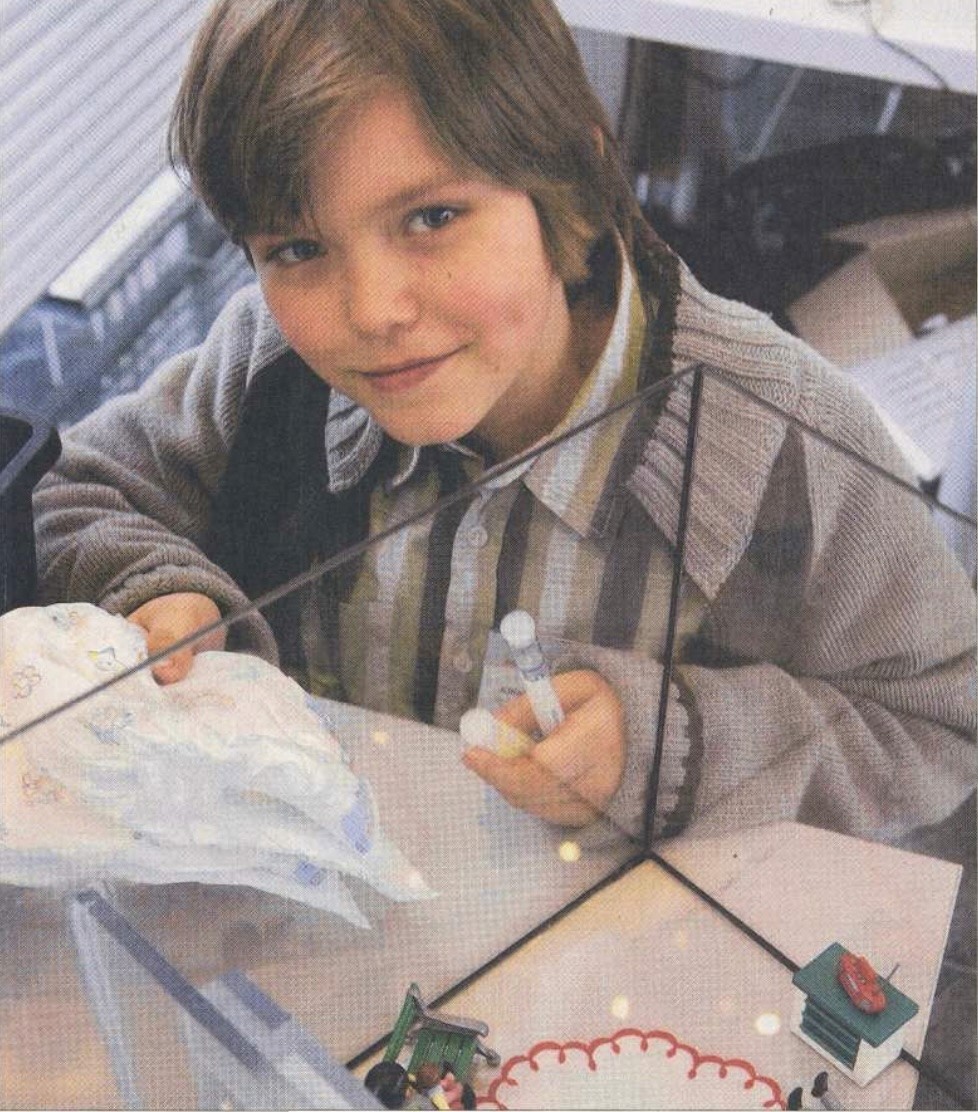

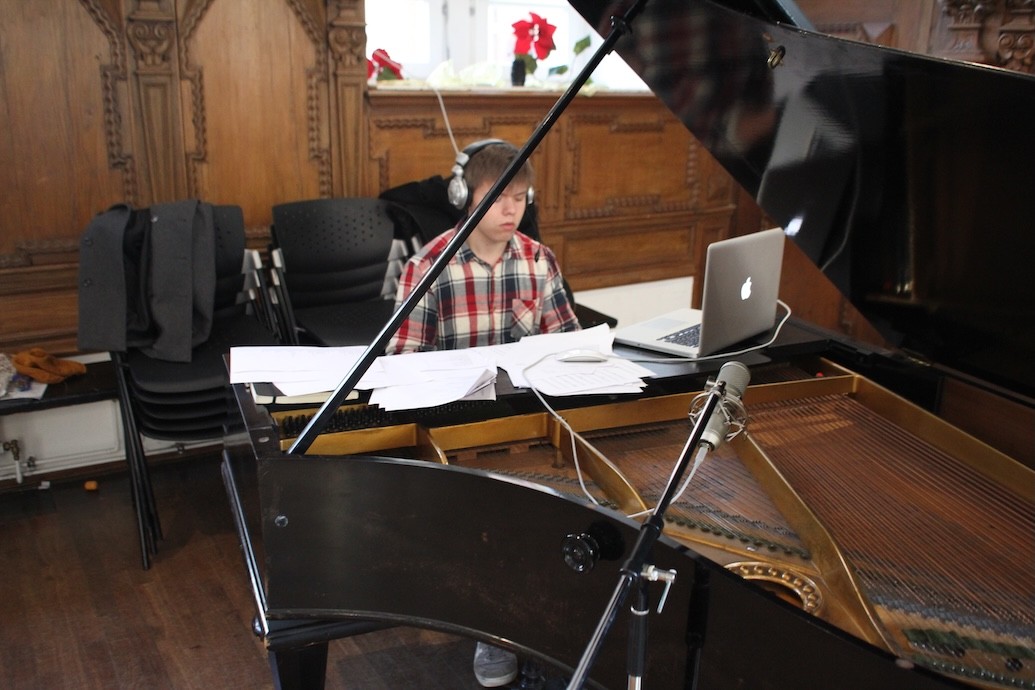
Left to right: (1) A photo of Kilian at the "Jugend forscht" science competition, taken from a newspaper article; (2) Kilian presenting at CeBIT 2016 trade fair for his social start-up "Aletho"; (3) Kilian recording a piano track for a Christmas album he produced with his friends.
My law studies took me to Oxford, where I joined the a cappella group "The Oxford Commas". Music Tools started as a way to make our rehearsals easier.
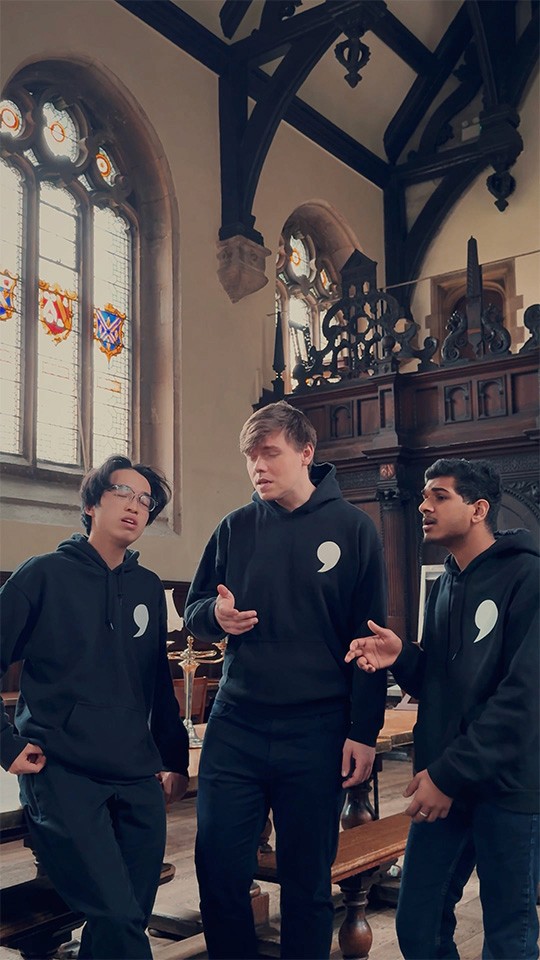

See what happens when you click or tap on the polaroids.
In Oxford, I also joined the Chapel Choir of Wadham College and organized a joined tour of the choir and The Oxford Commas to the Rhineland region in Germany in the summer of 2024, together with my good friend Quinton Lee. Stephen Taylor served as conductor.


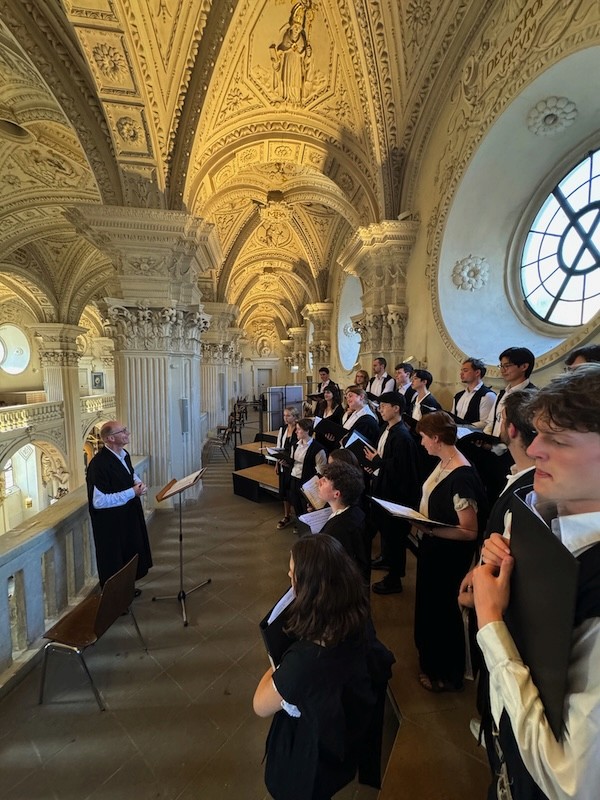
An audio recording of the ending of "O Radiant Dawn", taken during one of our concerts on the Rhineland tour
Inspired by the People Who Use It.
Music Tools has grown through constant dialogue with musicians of every kind, from choral singers and pianists to instrumentalists like violinist Juli Bazzazi, who tested and helped shape the upcoming tuner. Her feedback inspired features that make the app feel more personal and precise, like having instrument-specific tuner configurations, or visually communicating pitch reliability through light intensity. Collaborations like these are what keep Music Tools alive and evolving.
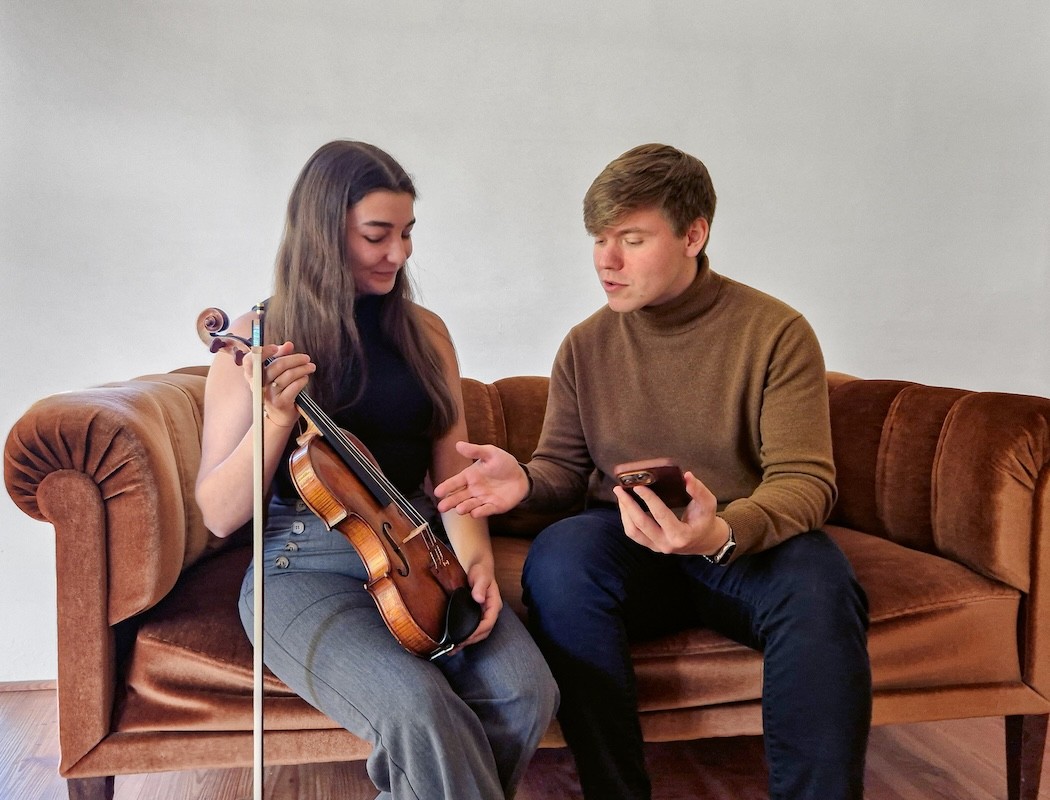
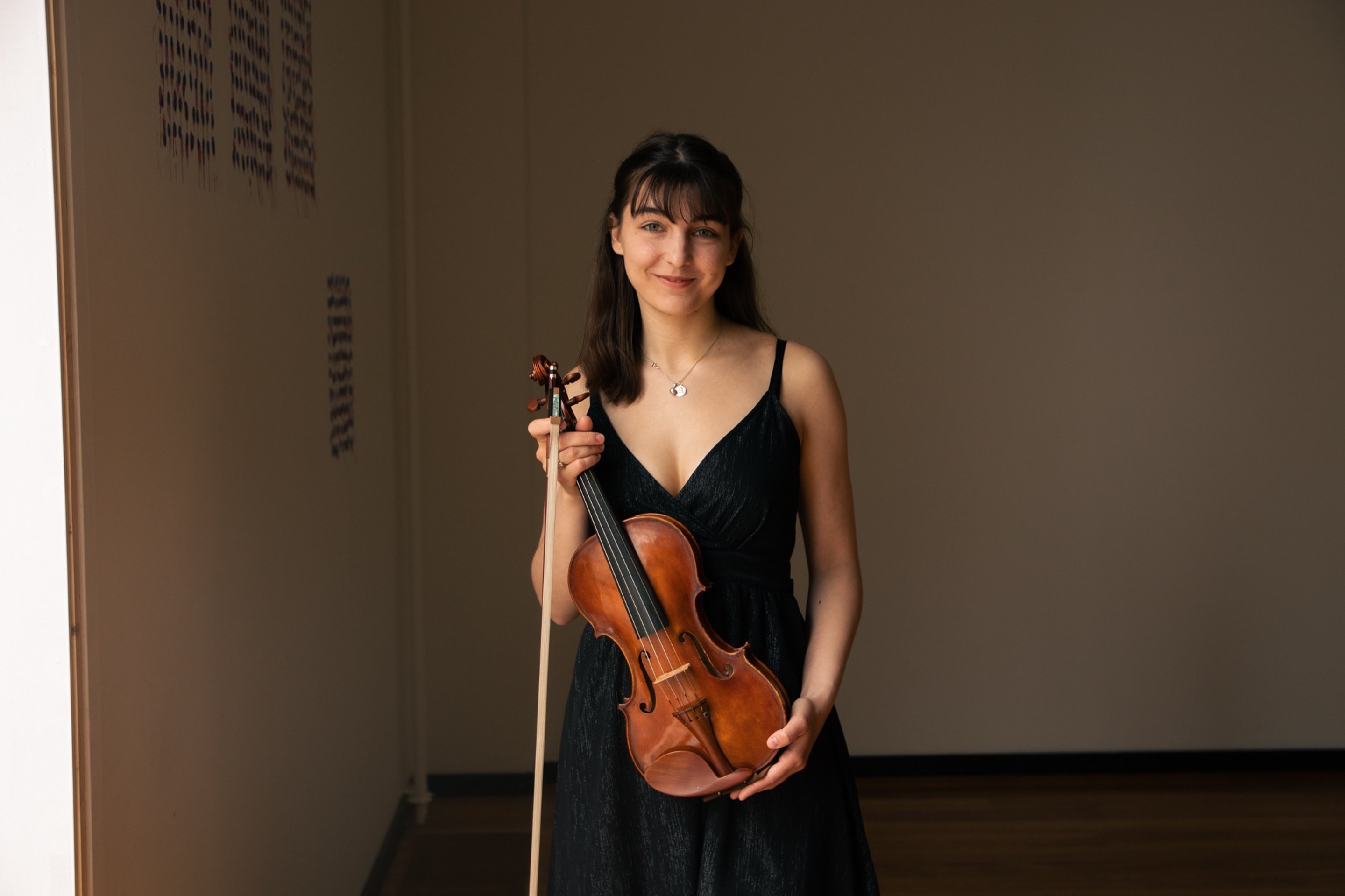
Left to right: (1) Juli Bazzazi; (2) Juli and Kilian in conversation.
Good design doesn’t happen in isolation. It happens in rehearsal, in conversation, and in music shared between people.